
Beat the Wet Weather: Why the Agri Drone is a Game-Changer for Waterlogged Fields
In the UK, "planning for the weather" almost always means planning for the rain. For a British farmer, few sights are as frustrating as a field that needs urgent treatment but is too waterlogged to support a tractor. When the ground turns to a slurry, your options usually vanish: you either risk permanent soil damage by forcing a heavy rig onto the field, or you wait for a dry window that might not come until disease or pest pressure has already taken its toll.
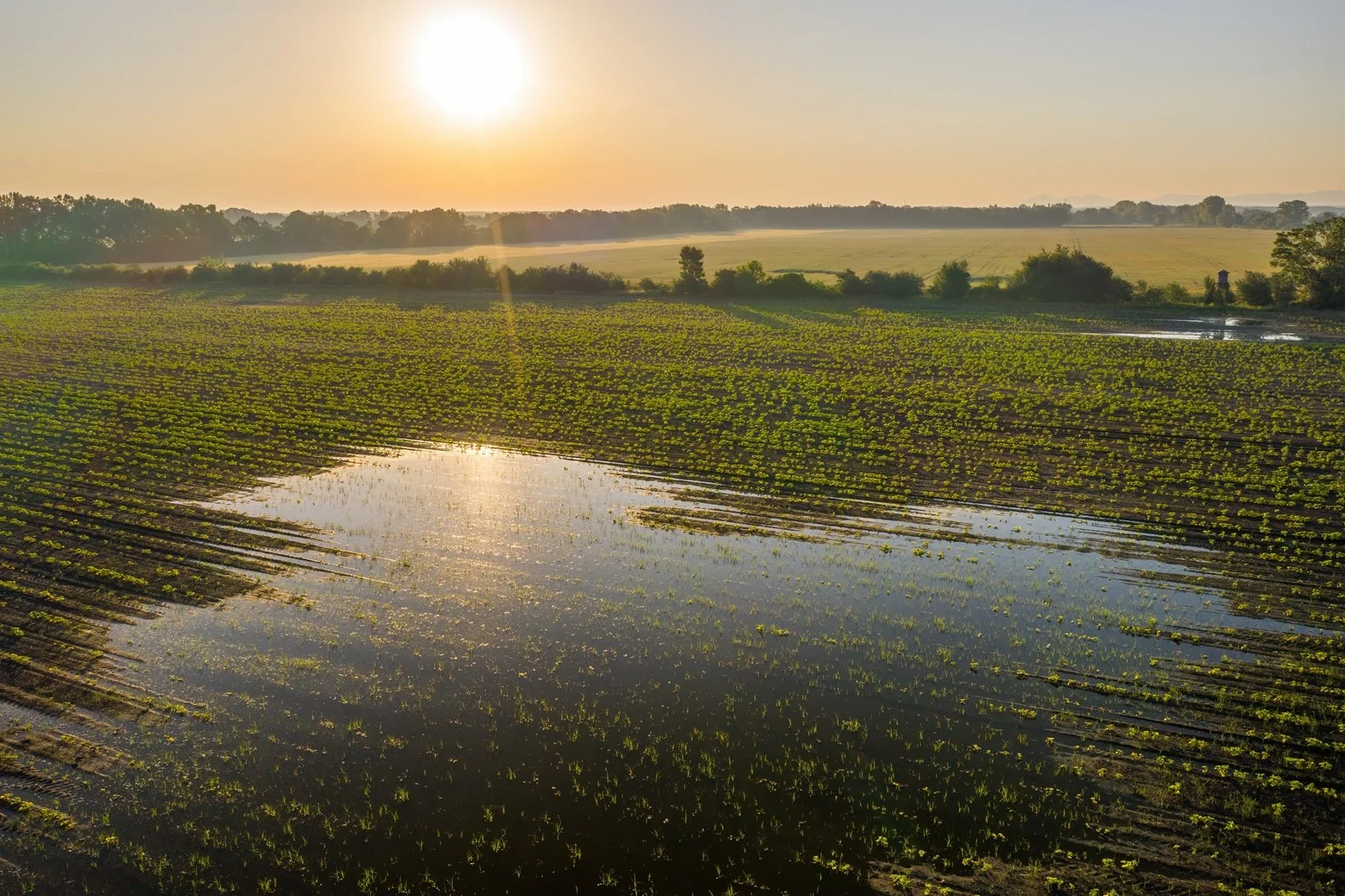
At Quadrotor, we are seeing more growers turn to aerial solutions to keep working when the ground says "no".
How do agricultural drones solve the problem of waterlogged fields?
An airborne agricultural drone has zero contact with the ground, it can be deployed regardless of standing water or deep mud in the tramlines. This allows for critical crop protection and nutrition tasks to continue during the "washout" seasons that typically halt ground-based machinery.
The Core Advantages of Aerial Application in Wet Conditions
Traditional boom sprayers and spreaders face significant hurdles when fields are saturated. Moving your application to an agricultural drone provides three immediate operational benefits:
Zero Soil Compaction: Eliminating heavy tyre pressure prevents the crushing of soil pores, which is essential for healthy root development and natural drainage.
Exploiting "Micro-Windows": UK weather often provides dry hours rather than dry weeks. A drone can be deployed in minutes to treat high-pressure areas during these brief breaks in the rain.
Versatile Spreading: Drones are highly effective for spraying / broadcasting / stimulants / fertilisers and cover crop seeds into standing crops to manage moisture without disturbing the saturated soil surface.
Why avoiding machinery on wet soil improves long-term yield
When a 15-tonne tractor presses into wet, vulnerable soil, it collapses the structure so severely that yields can be reduced by up to 10% in the following season. Furthermore, compacted land has poor infiltration, meaning rainwater sits on the surface rather than draining away. Using a non-invasive agri-drone keeps your soil structure undisturbed, helping your fields recover from wet weather faster.
Rising Above the Conditions in 2026
As we move through 2026, the use of agricultural drones for biologicals, foliar feeds and seeding is already helping UK farmers bypass the mud. Don't let a wet autumn or a "washout" spring dictate your productivity. The technology is here to help you rise above the conditions - literally.