
The "Micro-Window" Strategist: Reacting to Vineyard Disease Pressure
If you’re growing grapes in the UK, you’re basically a full-time amateur meteorologist. Whether your vines are in the rolling chalk hills of Kent or the sheltered valleys of Sussex, the primary threat is almost always the same: moisture.
In a typical British summer, the window between a heavy downpour and the onset of disease pressure (Downy Mildew or Botrytis) is incredibly tight.
This is where the "Micro-Window" strategist comes in. In 2026, the most successful vineyards aren't just the ones with the best soil; they’re the ones that can react the fastest when the weather turns. Traditional tractor-led spraying is often held back by the mud, but a viticulture drone doesn't care about the ground's condition.
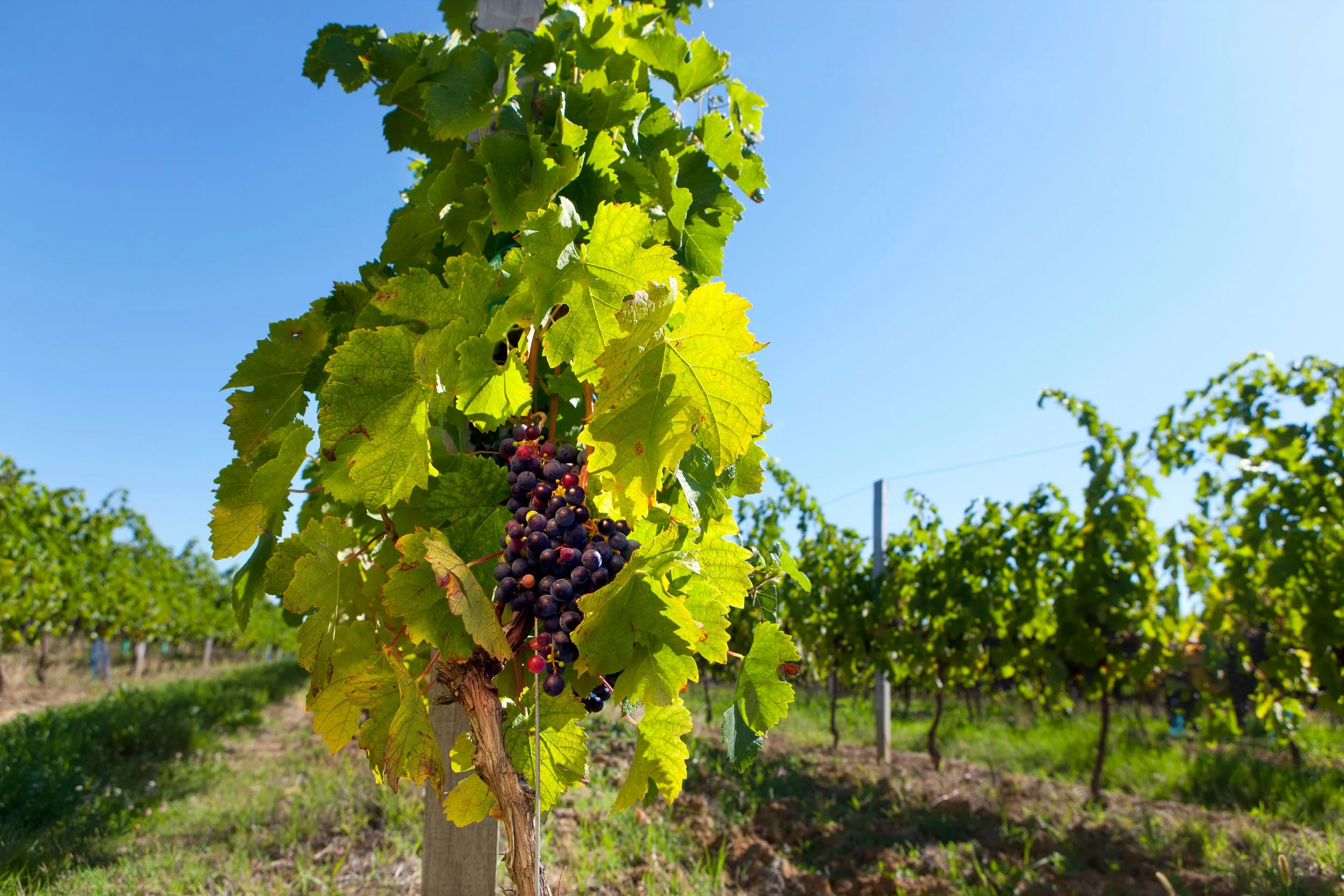
Beating the Mud to the Punch
The biggest frustration for any vineyard manager is seeing a disease-friendly humidity spike and knowing the tractor is stuck in the shed because the rows are too soft. If you drive a multi-tonne machine onto sodden vineyard soil, you aren't just treating a problem; you’re creating a new one in the form of deep ruts and severe soil compaction.
Zero-Contact Response: Because drones carry their weight in the air, they can be deployed the moment the rain stops. You can hit that critical "micro-window" to apply protection before the fungal spores have a chance to take hold.
Agility on Slopes: Many of the UK’s premier sparkling wine sites are on steep inclines that become treacherous for tractors after a storm. A drone glides over these slopes with ease, ensuring no part of the vineyard is left vulnerable.
Precision Targeting: Using GPS-guided flight paths, drones provide a uniform "top-down" application. The rotor downwash ensures the treatment reaches the heart of the canopy, where humidity tends to linger.
Speed as a Defensive Tool
In viticulture, an hour’s delay can be the difference between a clean canopy and a compromised harvest. The "Quiet Revolution" isn't just about noise; it’s about the sheer speed of deployment.
Rapid Setup: A drone team can be on-site and in the air in minutes, targeting specific high-risk blocks rather than having to prep an entire tractor rig.
Strategic Hits: If a particular corner of the vineyard is notorious for holding moisture, you can treat it as a "spot task" without the friction of a full-scale operation.
Protecting Your 2026 Vintage
A vineyard is a long-term investment, and the 2026 season looks to be another high-stakes year for UK wine. By adopting a "Micro-Window" strategy, you’re essentially buying yourself an insurance policy against the British weather.
It keeps your team safely on dry ground, maintains your soil structure and, most importantly, keeps your fruit clean. In the race against disease, being able to fly when others are stuck in the mud is the ultimate competitive advantage. It’s a smarter, more tactical way to manage a modern vineyard.