
The "Quiet Revolution": Why Agricultural Drones are the Friendlier Face of Farming
If you’ve spent any time in the countryside during the peak of the season, you’re well-acquainted with the heavy, rhythmic drone of a tractor engine. While that sound has traditionally meant progress, in 2026, a "quiet revolution" is taking place across the fields of Lincolnshire, East Anglia and the West Midlands. Agricultural drones are quickly becoming the friendlier, less intrusive face of modern farming.
It isn't just about the technology; it’s about the physical footprint - or rather, the lack of one. Shifting from heavy ground-based machinery to an aerial approach is fundamentally changing how we interact with the land and the surrounding community.
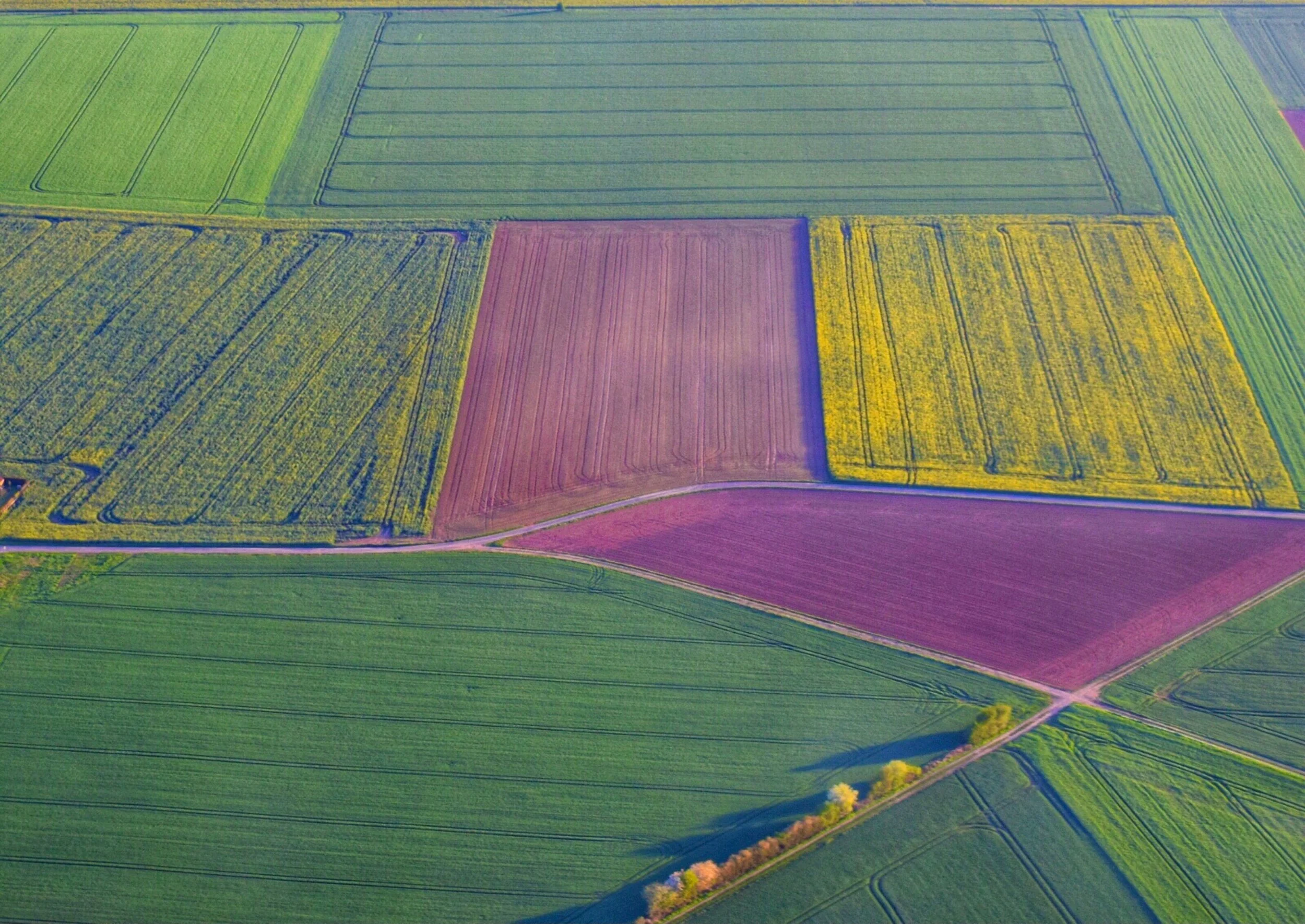
Reducing the "Rumble" in the Rural Landscape
Traditional tractors and sprayers are loud. For farms situated near villages or public footpaths, the constant noise of heavy engines can be a point of friction with the local community. Drones, by contrast, operate with a much lower acoustic profile.
Lower Decibel Levels: While a tractor can produce noise levels of 80 to 100 decibels, a drone operates at a significantly lower level. This makes them far less disruptive for nearby residents and local wildlife.
Tonal Efficiency: The sound of a drone is often a light hum rather than a deep, vibrating rumble. This reduced noise pollution is a major win for farms looking to maintain a "good neighbour" status in more populated rural areas like the Home Counties.
Night-time Capability: Because they are so quiet and don't require a driver to see the ground physically, drones can be used for night-time applications without waking the neighbourhood, allowing for better spray windows in lower wind conditions.
A Zero-Footprint Philosophy
Beyond the noise, there is the physical impact on the soil. A heavy tractor exerts massive pressure on the ground, leading to soil compaction (or "pore collapse"). This effectively crushes the air out of the soil, making it harder for roots to grow and water to soak in.
Zero-Compaction Turf Care: A drone carries its entire weight in the air. By moving your application tasks to the sky, you’re eliminating "wheel marks" and structural damage to the field.
Protecting Biodiversity: Heavy machinery can be disruptive to ground-nesting birds and the delicate ecosystems found in hedgerows and field margins. A drone’s "top-down" approach means it can treat a crop with surgical precision without ever disturbing the surrounding habitat.
Preserving Soil Structure: Especially in a wet UK spring, drones allow you to work when the ground is too soft for tyres. This means you can keep your crops healthy without the guilt of leaving deep, damaging ruts in your soil.
Accountability through 2026 Regulations
The introduction of Mandatory Remote ID and UK Class Markings in 2026 has added a new layer of trust to drone operations. Every professional flight is now traceable and accountable, ensuring that drones are operated safely and legally. This transparency is helping to shift the public perception of drones from "pesky gadgets" to essential, professional tools for sustainable farming.
At QuadRotor, we believe the best kind of farming is one that works in harmony with its surroundings. By choosing an aerial approach, you’re choosing a method that’s quieter, lighter, and ultimately friendlier for the land and everyone on it.