
Vines Without the Vibrations: Protecting Delicate Roots from Compaction
If you’ve ever walked the rows of a vineyard in Kent, Sussex or Hampshire, you know how tight things can get. Those narrow rows are part of the charm and the microclimate, but they are a nightmare for soil health. Every time a tractor rolls through, it's essentially a multi-tonne weight pressing down on the exact same tracks, over and over again. Over time, this creates a "stealthy thief" in the form of soil compaction, quietly robbing your vines of their potential.
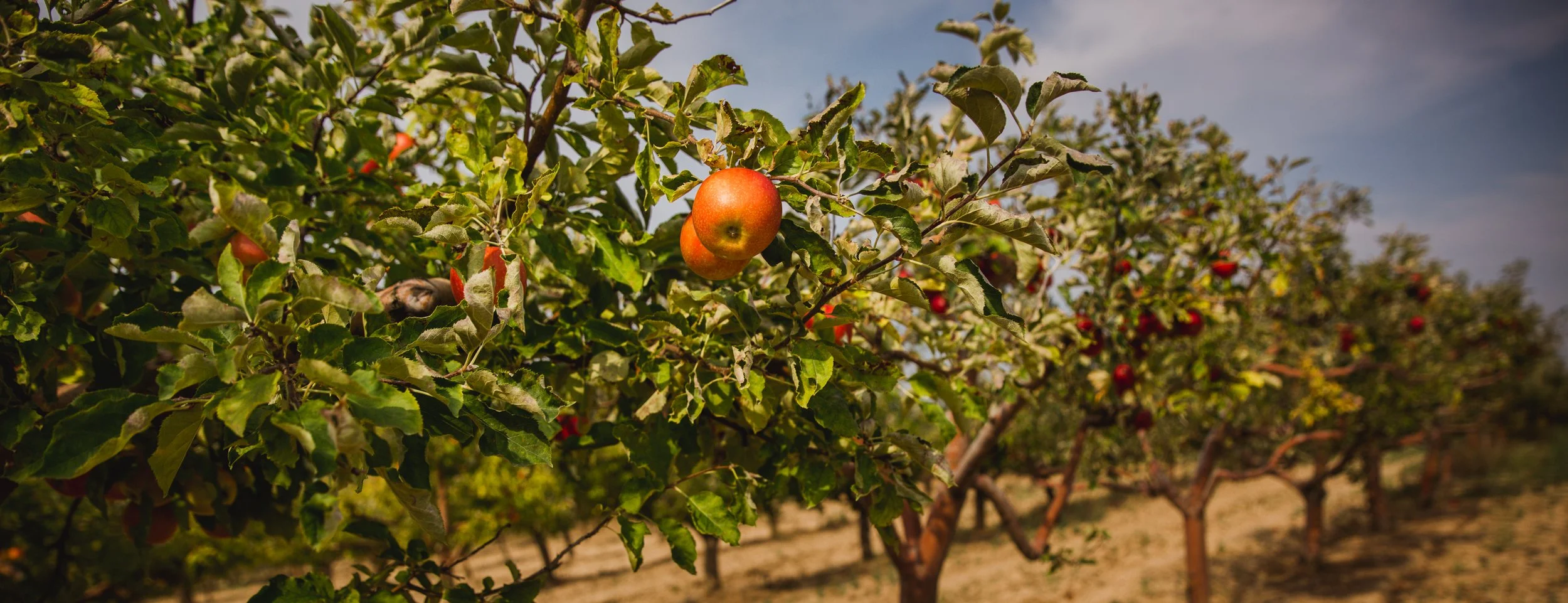
At Quadrotor, we’re seeing a big shift toward aerial vineyard maintenance as a way to let the soil and the vines finally breathe.
Agriculture’s Silent Assassin: Soil Compaction
In a vineyard, the soil is your most precious asset, but it’s also incredibly fragile. Because vineyard rows are notoriously narrow, tractor tyres have nowhere else to go. This constant traffic crushes the natural pore spaces in the dirt, leading to what’s known as "pore collapse."
When the soil is compacted, it's not just "hard ground" - it’s a biological barrier:
Restricted Root Respiration: Roots need oxygen just as much as they need water. Compacted soil traps carbon dioxide and limits air flow, essentially suffocating the vine’s root system.
Poor Water Infiltration: Instead of soaking in to reach the deep roots, rain often sits on the surface or runs off, taking valuable nutrients with it. This is a major issue during those unpredictable Surrey Hills downpours.
The "Hard Pan" Effect: Heavy compaction creates a layer so dense that young, delicate roots simply can't penetrate it. They end up growing sideways or shallowly, making the vines much less resilient to summer droughts.
The Frictionless Solution: Taking the Weight Off
The move to precision viticulture with drones isn’t just about the tech; it’s about giving the land a break. By moving your spraying and fertilising to the air, you are opting for a "zero-compaction" solution. Since only the targeted droplets touch the ground, the soil structure remains completely undisturbed.
Working in the Wet: In the UK, we often have to wait for the mud to dry before we can get a tractor into the rows. With a drone, you can treat your vines the moment they need it, even after a heavy rain, without worrying about leaving deep ruts or getting stuck.
Superior Canopy Penetration: It’s not just about the soil; it’s about the vines, too. The "downwash" from the drone’s rotors actively moves the leaves as it passes overhead, driving protection products deep into the canopy. This ensures that even the hidden fruit gets the cover it needs.
Accessing the "Impossible" Slopes: Many of the best UK sparkling wine sites are on steep, chalky slopes that are a genuine safety risk for tractor drivers. Drones glide over these hills with ease, providing the same uniform care to a steep bank in Somerset as they do to a flat valley floor.
Building Resilience for 2026
As we look ahead to the 2026 season, the focus for top-tier growers is on longevity. A vineyard is a 30-year investment, and protecting the soil today ensures the health of the harvest for decades to come.
By switching to non-contact vine care, you’re doing more than just maintaining your crop; you’re preserving the very foundation of your vineyard. It keeps your team safely on the ground, your soil open and airy and your vines vibrating with health, not from tractor engines, but from the natural vigour of a well-supported root system.