
Every golf course has them by May: those patches on fairways, approaches and tees where winter traffic, divot recovery, and the general wear of a busy spring season have left the sward thinner than it should be. Getting seed into those areas quickly and effectively is straightforward enough in principle. Doing it without introducing the kind of surface damage that makes the problem visually worse before it gets better is where conventional overseeders and ride-on spreaders start to fall short. QuadRotor's golf course maintenance services use the XAG RevoCast spreader to deliver seed precisely to the areas that need it, without leaving a single mark on the surface.
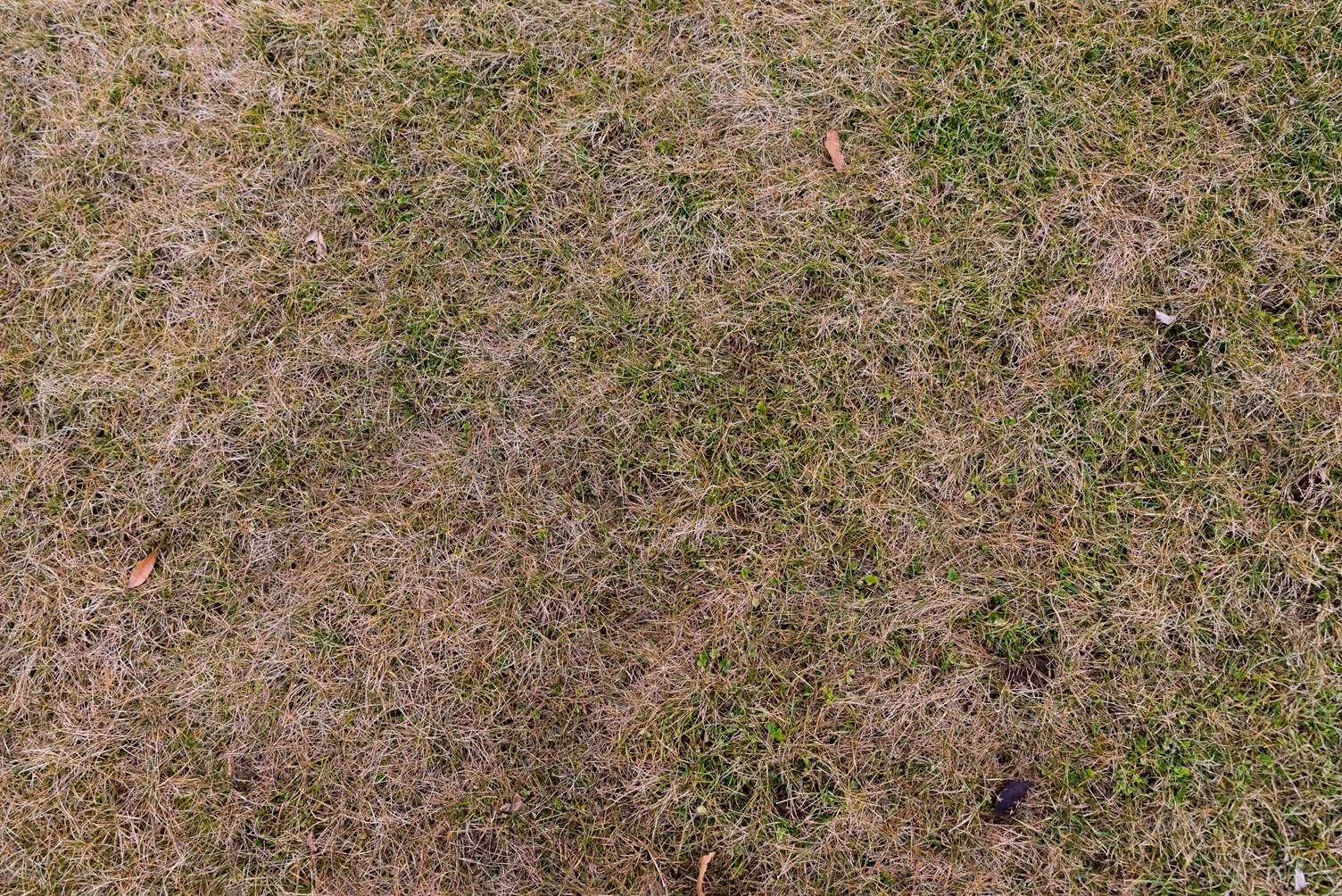
Why Do Thin Spots Develop on Fairways and Approaches in May?
The turf damage of autumn and winter doesn't always show its full extent until spring growth reveals what's recovered and what hasn't. High-traffic areas (the landing zones on popular driving holes, the approaches to greens on courses with heavy play, and the tee boxes on short par threes that take a disproportionate share of divots) are consistently the first to show thinning as the season opens.
May is the optimal window for overseeding these areas in the UK - soil temperatures are warm enough to support reliable germination, moisture levels are generally adequate, and the growing season ahead is long enough for new plants to establish properly before the heat stress of midsummer. Timing the seeding correctly matters; too early, germination is slow and patchy; too late, the new plants face immediate stress before they've had a chance to establish.
What Is the XAG RevoCast Spreader and How Does It Work?
The RevoCast is a centrifugal spreading system mounted to the XAG drone platform, designed for granular and seed applications that require consistent, controllable distribution across a defined area. Seed is loaded into the hopper, and the spreading disc distributes it at a set rate along pre-programmed flight lines, covering the target area evenly without the distribution variation that manual or ride-on spreading can introduce, particularly on undulating ground.
For golf course applications, the combination of precise GPS-guided flight paths and controlled output rate means seed is delivered where it's needed without unnecessary over-application to adjacent areas of healthy turf.
Why Does Zero Surface Impact Matter on a Golf Course?
A golf course in May is in operation. Greens, approaches and fairways are in daily use; any maintenance activity that leaves visible marks on the playing surface creates an immediate presentation problem as well as a turf recovery challenge. Conventional overseeding equipment (ride-on spreaders, tractor-mounted units, or even pedestrian rotary spreaders on more sensitive areas) all make contact with the turf surface, leaving wheel marks, surface disturbance, or compaction that is particularly problematic on ground that is still soft after spring rainfall.
Drone seeding makes no ground contact in the target area whatsoever. The aircraft operates above the surface; the seed is distributed from above without anything touching the turf beneath. For courses in Surrey, Berkshire, or the parkland belts of the Home Counties where presentation standards are high and member expectations higher still, that invisible footprint is not a minor detail.
Can Drone Seeding Target Specific Thin Areas Rather Than the Whole Fairway?
This is one of the more practically useful aspects of the technology for golf course applications. Rather than committing to a full fairway overseeding programme (with the associated disturbance, seed cost and post-application management), drone seeding can be targeted precisely to the areas identified as needing attention.
Flight paths are mapped in advance to cover the specific zones requiring treatment; the drone applies seed to those areas and leaves the surrounding healthy turf undisturbed. For course managers working within seasonal maintenance budgets and trying to minimise disruption to playing schedules during peak season, that precision makes a meaningful difference to both programme costs and operational impact.
How Quickly Can Overseeded Areas Be Returned to Play?
Germination timelines depend on seed variety, soil temperature and moisture conditions rather than the application method. Drone seeding doesn't accelerate germination beyond what the growing conditions support. What it avoids is the additional recovery time that surface damage from conventional equipment can cause. An area treated by a drone is ready for play (subject to the course's standard overseeding protocols) without the added complication of waiting for wheel ruts, surface marks, or compaction to recover alongside the new seedlings.
For courses managing thin spot repair during peak play periods (as many UK courses are doing through May and June), removing the surface damage element from the recovery equation is a genuinely useful operational advantage.