
How do agricultural drones contribute to sustainable farming practices?
Adopting autonomous machinery is one of the most practical ways for a commercial farm to transition toward lower-impact, sustainable food production. At QuadRotor, we design sustainable farming systems that help growers satisfy modern environmental incentives without sacrificing their commercial yields.
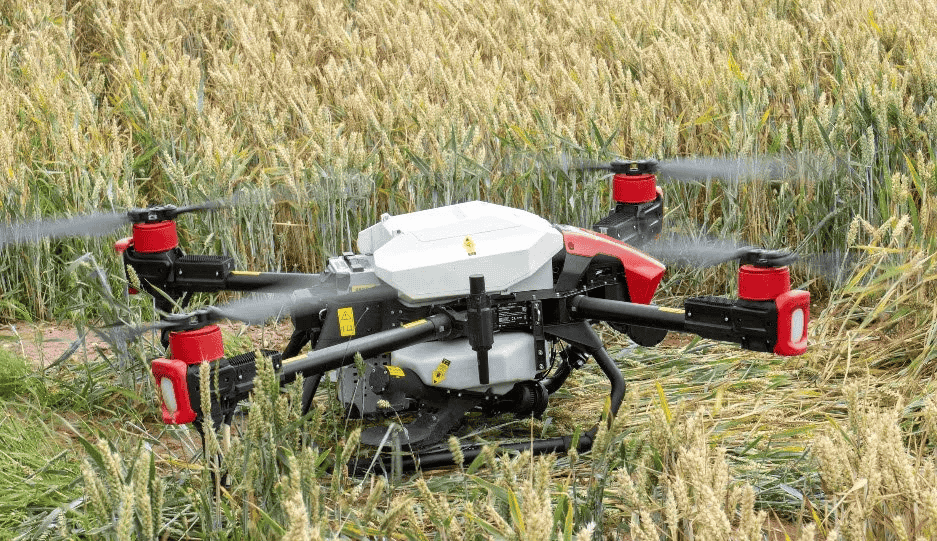
The environmental benefits are achieved through extreme target accuracy. By using aerial drones to map fields down to the individual weed patch, farmers can avoid the old method of blanket spraying entire fields. Instead, autonomous ground rovers can be sent to spot-spray herbicides exactly where the weeds are located, drastically reducing total chemical volumes entering the local ecosystem.
Furthermore, moving agricultural tasks to an automated fleet substantially lowers the carbon footprint of the farm. Operating electric drones and ground rovers powered by advanced smart batteries eliminates the massive diesel consumption associated with running heavy conventional tractors for simple mapping or spreading tasks.
Targeted Input Reduction: Using aerial maps to direct ground-based rovers allows for precise spot spraying of herbicides, drastically cutting overall chemical volumes.
Diminished Carbon Footprint: Shifting tasks to battery-powered electric drones and rovers minimises reliance on diesel-burning tractors.
Soil Ecosystem Protection: Keeping heavy tyres off wet fields preserves soil structure, boosts natural water drainage, and encourages beneficial root biology.