
Soil Health 2.0: Preventing Compaction with Aerial Agricultural Drone Solutions
As every British farmer knows, the soil is the most valuable asset on the holding. Yet, as tractors have grown larger and heavier to meet the demands of modern efficiency, we have inadvertently put that asset under immense pressure. In the UK alone, soil compaction is estimated to cost the agricultural economy nearly £450 million per year through lost yields and increased tillage costs.
At Quadrotor, we are helping farmers transition to "Soil Health 2.0". By moving some heavy application tasks from the ground to the air, an agri drone lets you manage your crops without leaving a footprint.
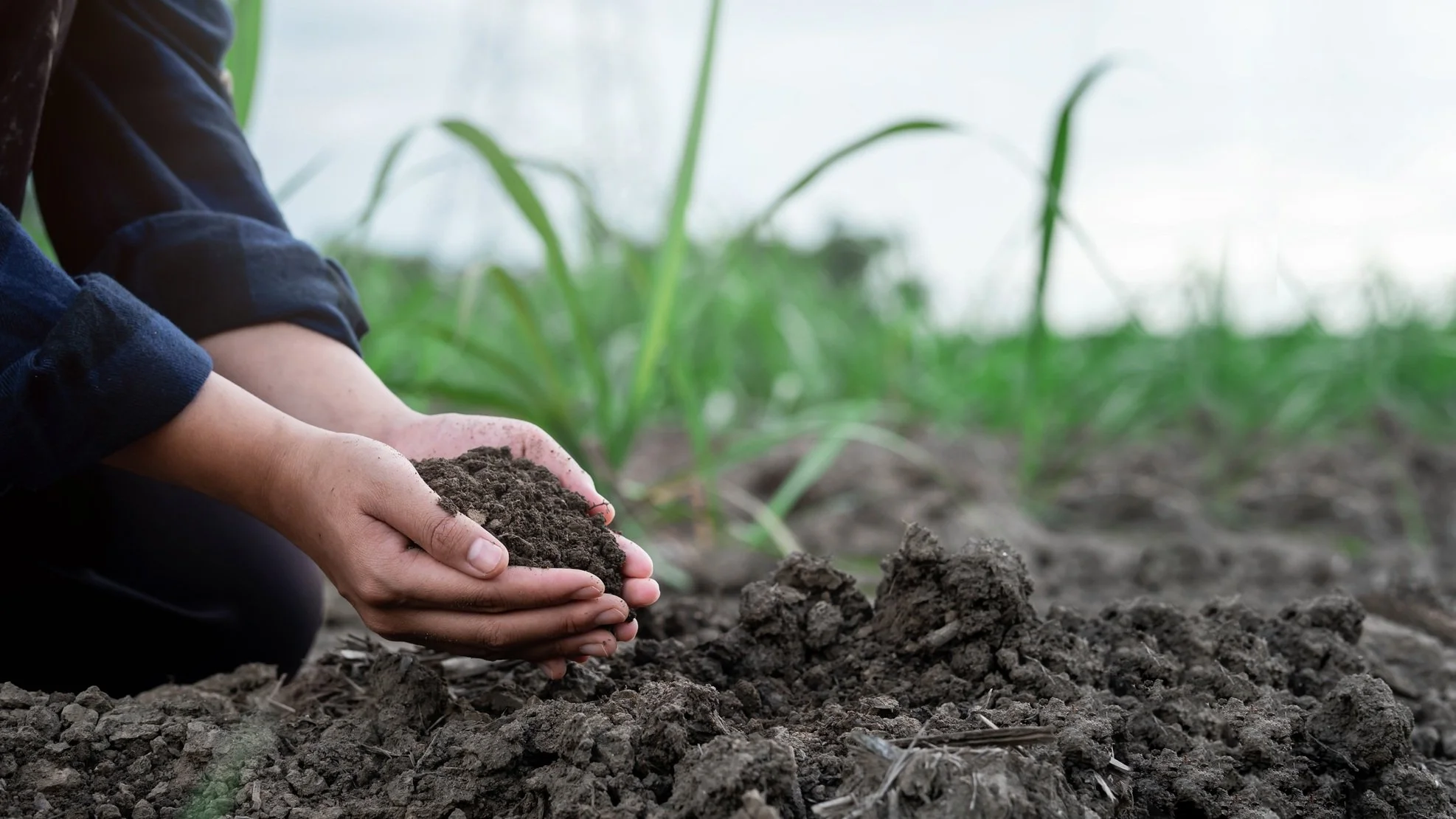
How do agricultural drones prevent soil compaction?
An agricultural drone operates entirely above the field, carrying its weight in the air rather than pressing it into the ground. While a fully loaded tractor and sprayer can weigh upwards of 15 tonnes, a professional drone weighs significantly less and never makes physical contact with the soil surface. This "zero-contact" approach ensures that the delicate soil structure remains porous and healthy.
The Core Benefits of Aerial Application for Soil Health
Traditional ground machinery is subject to inherent limitations that can degrade soil quality over time. Moving your application to an agri drone provides three immediate advantages:
Preservation of Soil Structure no compaction
Precise cover crop seeding.
Reduce Chemical loading and microbe protection.
Optimal moisture management.
Erosion prevention.
Why avoiding soil compaction increases yield
When heavy machinery presses into vulnerable soil, it collapses the tiny air pockets (pores) that roots need to breathe and water needs to drain. This "invisible yield killer" can reduce crop yields by as much as 10–15% because roots simply cannot penetrate the compacted layer to reach nutrients. Furthermore, compacted land suffers from poor infiltration, leading to increased surface runoff and the risk of flooding.
A Sustainable Future for UK Farming in 2026
As we move through 2026, soil carbon and structure are taking centre stage in UK environmental schemes. Using an agricultural drone is more than just a high-tech way to spread; it is a commitment to the long-term fertility of your land. At Quadrotor, we provide the tools to help you take the weight off your soil and put the focus back on growth.