
The Heavy-Duty Fairway, Without the Heavy-Duty Machinery
If you are a course manager or a greenkeeper at a premier club in Surrey, Berkshire or along the St Andrews coast, you know the constant tension between maintaining high-performance turf and the physical toll it takes to get there. To keep a fairway looking "heavy-duty" (lush, resilient and thick enough to provide that perfect lie) traditionally requires heavy-duty machinery.
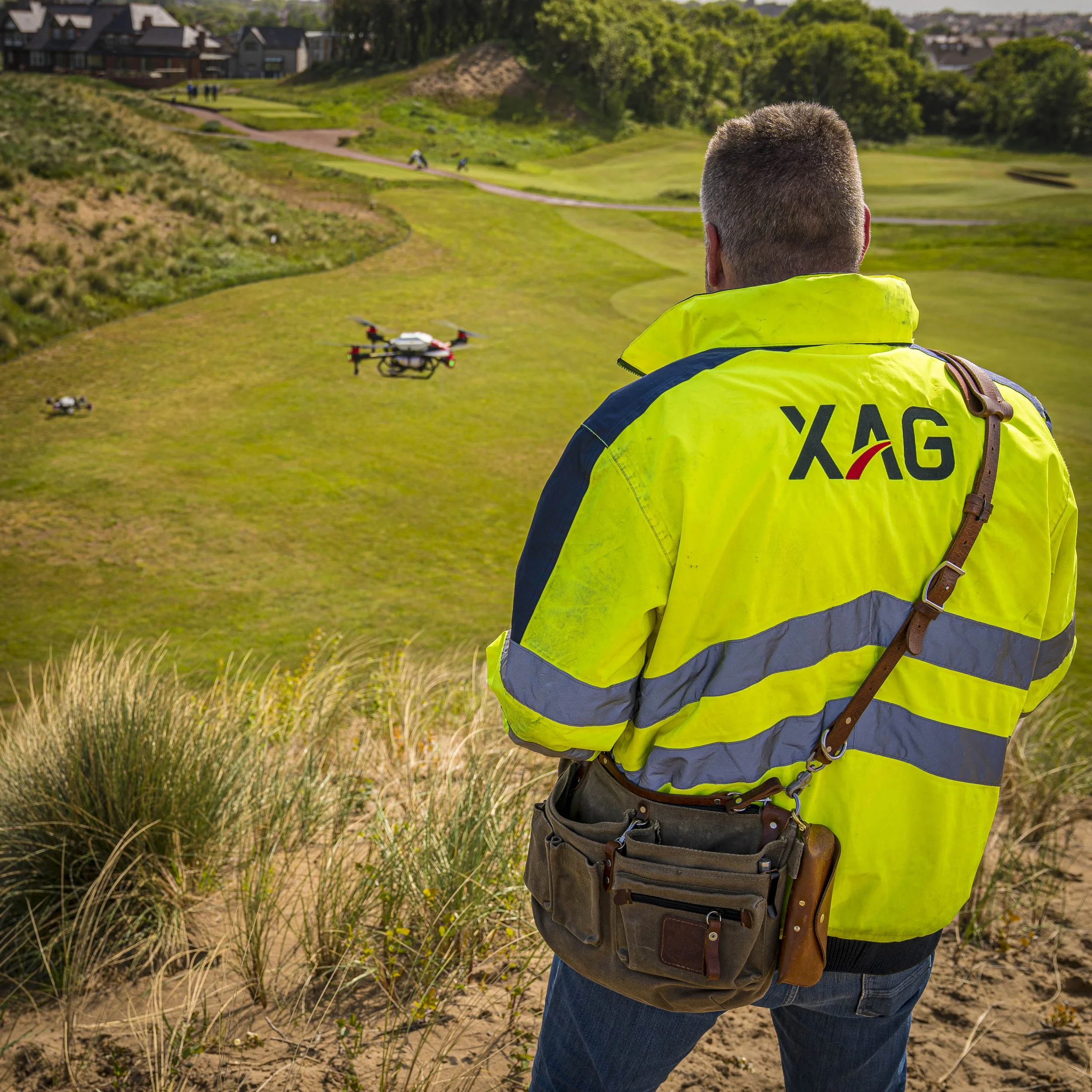
The problem is that the very equipment used to protect the grass often becomes its greatest enemy. In 2026, we are seeing a major shift towards zero-compaction turf care, allowing courses to maintain elite standards without ever putting a tyre on the fairway.
The Hidden Cost of the "Wheel Mark"
Even with the most advanced turf tyres, a ground rig is a massive weight. On a typical morning in the North Downs when the dew is heavy or the ground is slightly soft, every pass of a sprayer or spreader leaves a mark. Sometimes it’s a visible rut; other times, it’s the invisible "pore collapse" beneath the surface.
Soil Pore Collapse: When heavy machinery presses down, it squeezes the air and water out of the soil. This compaction makes it incredibly hard for roots to breathe and for water to drain away, leading to "puddled" fairways and weak, shallow-rooted grass.
The "Hard Pan" Effect: Repeated passes over the same areas create a dense layer of soil that acts like a barrier. This prevents nutrients from reaching the root zone, meaning you end up using more product for less result.
Aesthetic Imperfections: For members, a pristine fairway is part of the "championship" experience. Visible wheel marks or "scuffing" on turns can ruin the visual appeal of a hole before the first tee shot is even hit.
A Weightless Approach to Turf Health
By moving application tasks to an aerial greenkeeping platform, you’re essentially removing the weight from the equation. A drone doesn't care if the ground is soft, the slope is steep, or the turf is delicate. It provides the heavy-duty protection your grass needs with a completely "no-contact" delivery.
True Zero-Compaction: Since the drone carries its entire payload in the air, there is no pressure on the soil structure. This keeps the ground open and airy, encouraging the deep, healthy root systems that make a fairway truly resilient against drought and heavy play.
Surgical Consistency: Using GPS-guided flight paths, a drone ensures that every square metre of the fairway receives the exact same dosage. There’s no overlapping (which can cause chemical scorching) and no missed spots (which lead to weed or disease outbreaks).
The "Downwash" Benefit: The air moving from the drone’s rotors isn’t just for lift; it also helps drive the treatment down through the leaf blade and into the sward. This "active" application ensures that your turf is protected from the top down, reaching the plant's crown where it’s needed most.
Maintaining the Standard in 2026
Modern members expect perfection, and the 2026 season is all about achieving that with more precision and less environmental impact. Fairway drone services are no longer a "futuristic" luxury; they are becoming a standard tool for courses that want to stay ahead of the curve.
It’s about keeping your maintenance team safely on the path, your soil structure intact, and your fairways looking like they haven’t been touched, even though they’ve just received the best care available. It’s the heavy-duty result everyone wants, without the heavy-duty machinery that gets in the way.