
What regulations should farmers be aware of when using drones?
Operating a commercial agricultural drone in the UK requires strict adherence to aviation law and chemical application frameworks. At QuadRotor, we guide our clients through the necessary compliance steps, ensuring that all operators hold the correct CAA certified drone training credentials before launching a service.
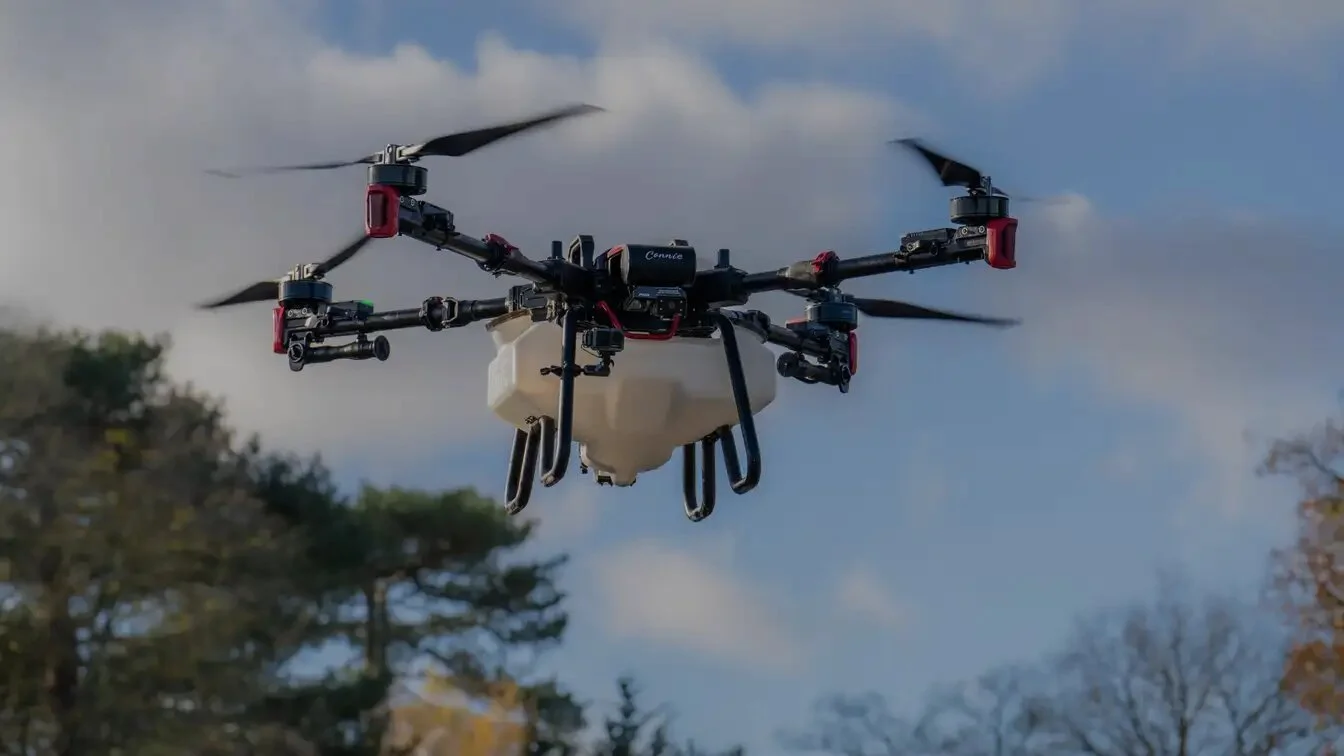
The Civil Aviation Authority governs the flight aspect of the operation. Because heavy crop spraying and spreading drones fall into specific weight categories, they cannot be flown under standard consumer rules. Operators must secure specific permissions that prove they can manage the aircraft safely around public spaces and rural boundaries.
The second regulatory layer is managed by the Health and Safety Executive. Under current UK law, the aerial spraying of regulated plant protection products including synthetic fungicides, herbicides, biocides and algicides is prohibited from an aircraft. To apply these chemicals autonomously, farmers must utilise ground-based machinery, which includes automated rovers operating on the farm floor.
Civil Aviation Authority Licensing: Operators must secure a valid Operational Authorisation before flying any heavy agricultural drone commercially.
Aviation Framework Compliance: All professional flights must satisfy current legal standards, including active Remote ID broadcasting and proper weight classifications.
Chemical Distribution Restrictions: Regulated plant protection chemicals are banned from aerial drone application and must be distributed via ground rovers or conventional sprayers.