
From Seed to Stand: Drone Seeding for Autumn Cover Crop Establishment
Cover cropping has become a central part of many arable farming programmes across the UK. The benefits are well established: improved soil structure, reduced erosion risk, better water infiltration and a positive contribution to the farm's broader environmental credentials. The challenge, for many growers, is the practicalities of establishment. Getting seed into the ground at the right time, into a standing crop ahead of harvest, without adding unnecessary passes or soil disturbance, is where the agricultural drone is increasingly proving its worth.
What is drone seeding for cover crops?
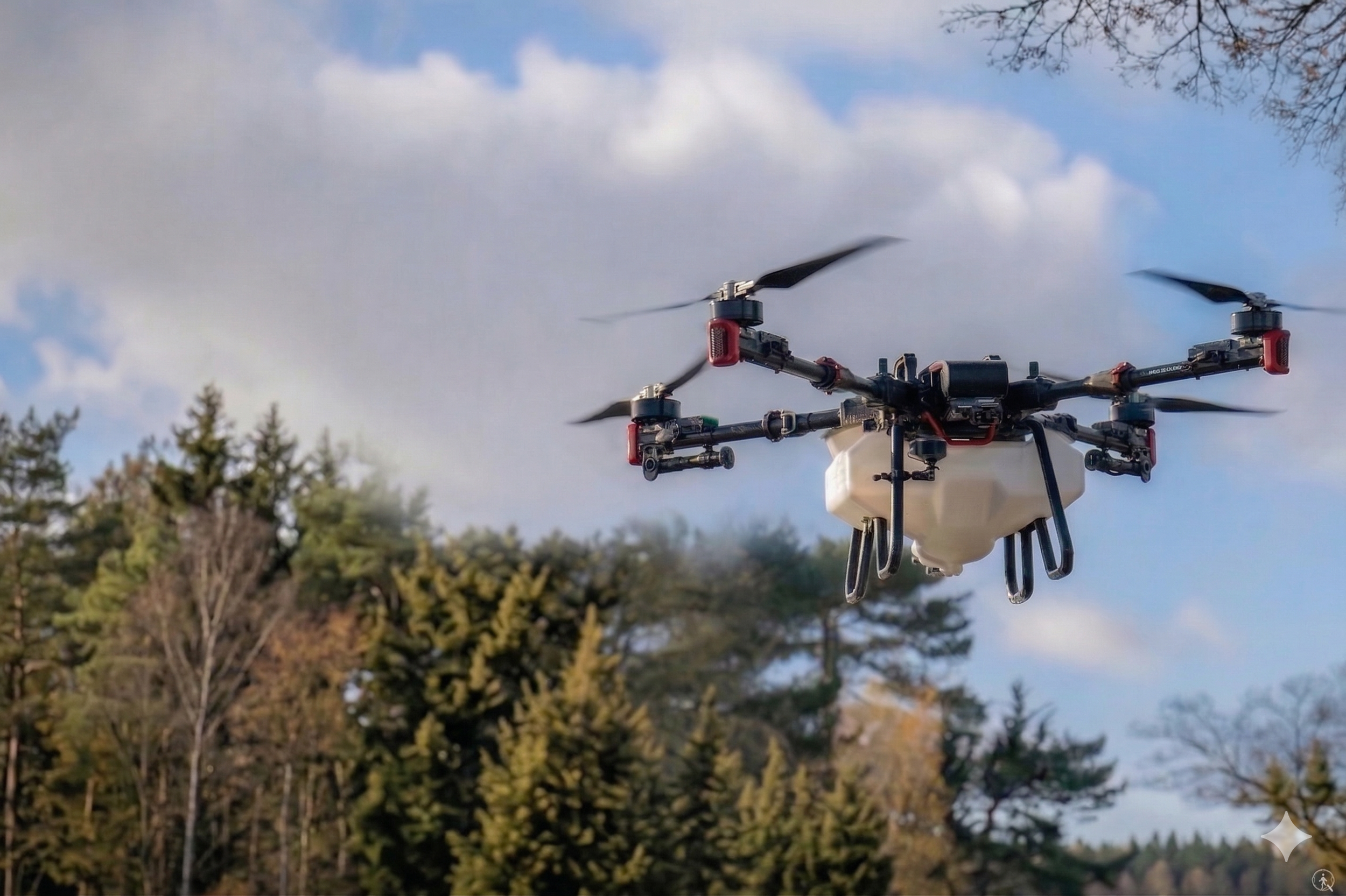
Drone seeding for cover crops involves broadcasting seed aerially across a field using the XAG P100 Pro agricultural drone, typically into a standing crop in the weeks before harvest. The drone flies a pre-planned route across the field, dispersing seed evenly from above as the crop below approaches its final growth stages.
The seed falls through the canopy to the soil surface below, where it sits until harvest disturbance and subsequent rainfall trigger germination. By the time the combine has gone through and the field is cleared, the cover crop is already in the ground and beginning to establish, giving it a head start over post-harvest drilling and reducing the risk of the establishment window being lost to wet autumn weather.
Why is aerial seeding better than drilling for cover crop establishment?
Drilling a cover crop requires either a separate pass after harvest or inter-row seeding equipment that not all farms have access to. A post-harvest drilling pass adds cost, time and soil disturbance at a point in the season when the ground is often at its driest and most vulnerable to surface capping.
Aerial seeding into the standing crop sidesteps all of this. There are no additional field passes, no soil disturbance and no dependence on a narrow post-harvest window. The seed goes in while conditions are still favourable, and establishment can begin immediately rather than waiting for the field to be cleared, dried down and prepared for equipment.
For farms managing large acreages across multiple fields in a tight harvest window, the ability to seed ahead of the combine rather than behind it can make a significant difference to how consistently the cover crop establishes across the whole farm.
What cover crop species can be seeded by drone?
The XAG P100 Pro handles a wide range of cover crop seeds, including mustard, phacelia, vetch, clover, buckwheat and cereal mixes. Seed size and flow characteristics vary between species, and the drone's settings are adjusted accordingly; the platform can work with most species commonly used in UK cover cropping programmes.
Mixes are also possible, which is useful for growers running multi-species covers for biodiversity or soil health objectives. The drone's spreading system distributes seed evenly across the field width on each pass, producing consistent establishment density across the whole area.
Which farms are best suited to drone cover crop seeding?
Farms with large arable acreages, tight harvest schedules and an existing commitment to cover cropping are the most obvious candidates. The drone is particularly well suited to operations where the logistics of post-harvest drilling are complicated by scale, the overlap between harvest and drilling windows, or a shortage of available contractor slots in the autumn.
Farms across the East Anglian arable belt, the Yorkshire Wolds and the larger arable operations of the East Midlands are typical examples of operations where aerial cover crop seeding can deliver real practical value. It is also useful on farms with fields that are awkward for conventional drilling equipment, whether due to irregular shapes, difficult access or the presence of features that slow ground-based operations.
Can drone seeding be used for other crops beyond cover crops?
Yes. The XAG P100 Pro is equally capable of seeding grass and wildflower mixes for environmental schemes, overseeding thin or worn areas of grassland and broadcasting seed for woodland establishment and reforestation programmes. Cover crop seeding is one of the most common autumn applications but it sits within a broader range of seeding uses that the drone can support across different farm types and management objectives.
For arable farmers planning their autumn programme, the time to plan a drone seeding operation is well before harvest, not after. Getting the route planned, the seed ordered and the logistics confirmed in advance means the drone can go to work as soon as the timing is right, without delays that could compromise the establishment window.
How do I arrange drone seeding for my cover crop programme?
Get in touch with the QuadRotor team ahead of your anticipated harvest dates and we'll work through the logistics with you. We'll need to know the fields involved, the species or mix you're planning to use and your expected harvest timing, and from there we can put together a plan that fits your programme. The earlier the conversation starts, the better placed we are to make it work.